
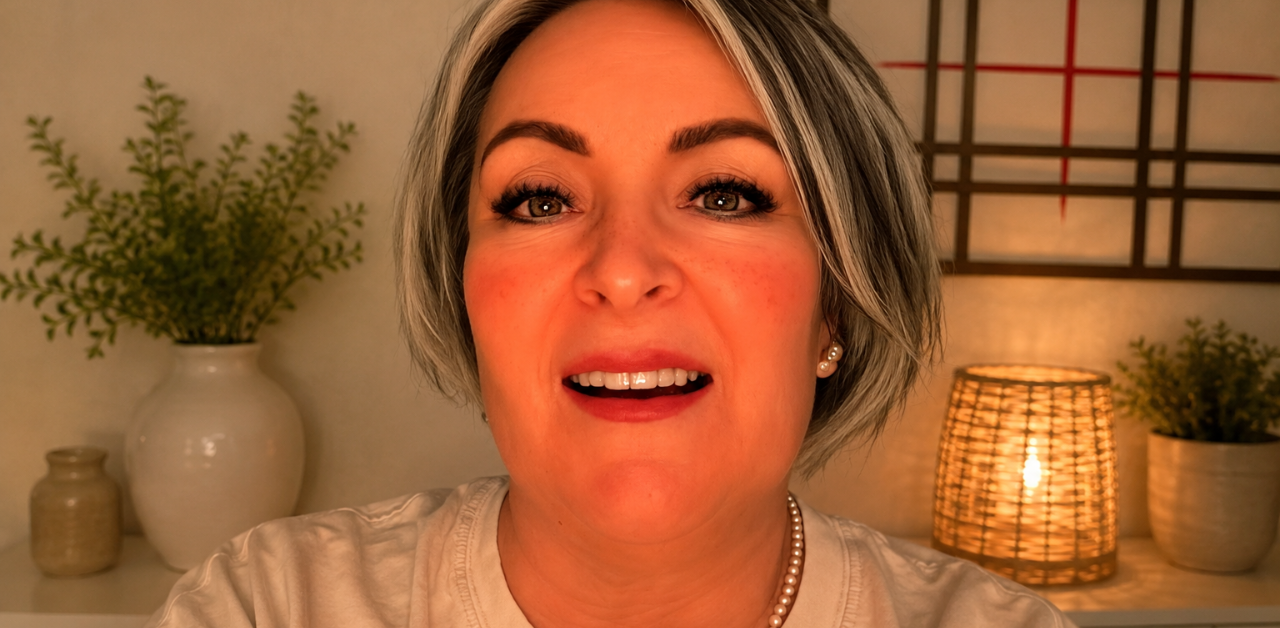
For nine years, Rebecca lived with abuse, silence, and fear. When she finally spoke the truth, the cost was higher than she could have imagined. Yet this is not a story about what happened to her. It is a story about what she chose to do next.
In this powerful account, Rebecca reflects on healing from childhood trauma, finding her voice, and using her experience to help others heal.
Life Lessons & Key Themes From This Story
- What happened to us does not have to define who we become. We have the power to choose how we respond to life's hardest experiences.
- Healing from childhood sexual abuse and trauma is possible with support and professional help. While the impact may last for years, recovery can include finding your voice, rebuilding trust, and creating a meaningful life.
- Finding your voice after years of silence can be an important part of healing. Speaking your truth often begins with reclaiming your own story.
- Family rejection can leave deep emotional wounds. Healing sometimes means grieving the support and protection we never received.
- One safe and caring person can make a lasting difference. Even small moments of kindness can become anchors of hope during difficult times.
- Lived experience can become a source of purpose. Many people find meaning in using their struggles to help others heal and grow.
- The human spirit is often stronger than we realise. Resilience can emerge in ways we never imagined when facing adversity.
📍 From UK: One of many real life stories shared from around the world, exploring how we can reclaim our voice, rewrite our story, and choose who we become after life's hardest experiences.
The back door. That was my barometer.
Every day as a little girl, I would open it and press my skin into the air — reading the atmosphere of the house before I dared step inside. Was it safe? Was she calm? Would today be one of those days? I learned to sense danger before I could even name it.
I was three years old the first time I was abused.

No spam. Just meaningful stories and inspiration.

A World With No Safe Place
The man who hurt me wasn’t a stranger lurking in the shadows. He was given a position of trust — by my own father, a leader within our high-control religious community. Truth didn’t matter. Protection didn’t matter. Only how things looked to the outside world.
So the abuse continued; three, sometimes four times a week, for nine years.
Home wasn’t safe. Religion wasn’t safe. Even school offered no refuge — at six years old, a vicar grabbed me by the hair and shoved me into a broom cupboard because of my parents' religion.
When I got home from school, if I didn’t wipe the draining board correctly, a palette knife came across my legs. If my shoes weren’t polished to standard, I was dragged by my hair.
Even joy wasn’t permitted. When I sang — as children do, naturally, freely — my mother mocked every sound that came out of my mouth, until I stopped altogether. Not just in song. In everything.
I hated myself. I hated being a girl. I hated existing in a body that felt like it belonged to everyone but me.
The only soft place in my world was my grandmother, an hour and a half away. Close enough to dream about. Too far away to save me.
The Day I Refused to Stay Silent
Escaping took years. Healing took longer. But in 2017, I did something that terrified me more than anything my childhood had thrown at me — I took my abuser to court.
The little girl who had been silenced even in song finally refused to be.
He went to prison.
And then my family shunned me.
Every last one of them.
The people who should have believed me as a child, who should have protected me, who should have stood beside me in that courtroom — they turned their backs instead. Because even then, reputation mattered more than truth. Even then, the little girl who had been failed for decades was failed once more.
I want to be honest about what that does to a person. The abuse was devastating. But there is a particular kind of grief in being abandoned by your family for surviving it — for daring to speak, for refusing to stay silent so that others could stay comfortable. That grief is its own wound entirely.
And I had to heal that one too.
I Didn’t Stop There
I took part in IICSA* and became a participant in proceedings at the UK Parliament, advocating for mandatory reporting of childhood sexual abuse and the removal of clergy privilege — still fighting so that other children might be believed where I never was. The child who had no voice was now using it in one of the most powerful rooms in the country.
Then I trained as a therapist.
We were never broken. Every single thing we needed to heal was already inside us. Sometimes we just need someone to hand us a tool or two ...
Turning the Wound into the Work
Something remarkable happens when you sit across from someone who has survived what you survived. There is so much they don’t have to explain, so much they don’t have to justify or defend. They can simply be in their pain, and know they are understood.
Watching my clients make strides they never thought possible — that is not work to me. That is an honour.
Because here is what I know now, having lived it and witnessed it dozens of times over: we are not broken. We were never broken. Every single thing we needed to heal was already inside us. Sometimes we just need someone to hand us a tool or two, point us toward the light, and then step back — because the rebuilding? That’s ours. We do that ourselves.
The human mind is staggeringly resilient. More resilient than any of us realise until we are forced to discover it.
The Question I Used to Dread
People sometimes ask me: do you wish it never happened?
For a long time, I couldn’t answer that. Now I can.
No.
My answer isn’t no because what happened was acceptable — it wasn’t. And it isn’t no because that little girl didn’t deserve better — she deserved the world. It’s no because of who I became, and because of who I’ve been able to help. Because of every extraordinary, resilient human being I would never have met. Because of everything I now know about the staggering capacity of the human spirit.
What happened to us in the past does not have to define us. What we do with it — that is where our power lives.
And we are all, every one of us, far more powerful than we know.
*IICSA — The Independent Inquiry into Child Sexual Abuse. A landmark UK statutory inquiry established to examine how institutions failed to protect children from sexual abuse. Rebecca gave evidence as a core participant, contributing to its findings and recommendations for systemic change, including mandatory reporting. Her participation, which involved naming the religious institution where the abuse took place, ultimately led to her family cutting off all contact with her.
Meet the Storyteller: Rebecca Armstrong-Corbett
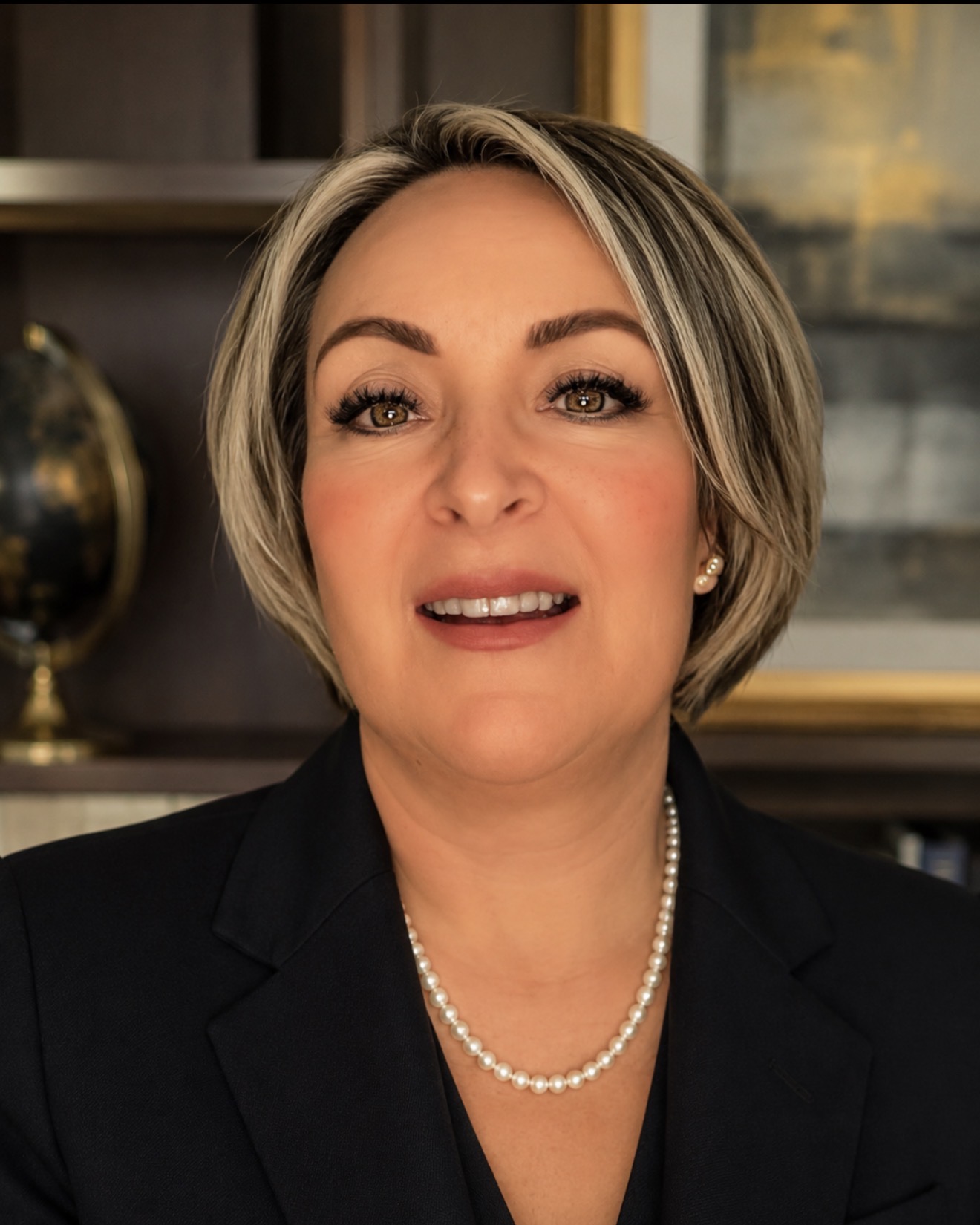
- Rebecca Armstrong-Corbett is a psychotherapist and clinical hypnotherapist based in the East of England, specialising in solution-focused therapy. She has worked with survivors of sexual abuse, sexual assault and coercive control — bringing not only professional training but lived understanding to every client she sits with.
Rebecca has spoken on national television, radio and at spiritual abuse conferences, advocating for mandatory reporting of childhood sexual abuse and the removal of clergy privilege. She believes passionately that the law must change to protect children — and she has taken that message to the highest levels to say so.
When she isn’t doing any of that, she is probably making someone laugh. Rebecca will tell you she uses humour as a shield — those who know her will tell you it’s also just who she is. She is a wife, mother, grandmother, and devoted servant to a rescue dog of questionable behaviour.
Rebecca is currently taking time away from practice to face major surgery and rehabilitation. She is using the time to write — and if this story is anything to go by, the world is better for it.
Connect with Rebecca and follow her journey on ... - Instagram: @beckycorbetthypnotherapy
- A Different Perspective: An online space to explore the world through the lens of Rebecca's experiences as a former NHS nurse, therapist, and now as someone living with disability.
- Substack: https://open.substack.com/pub/adifferentperspectiveuk
No spam. Just meaningful stories and inspiration.
I applaud Rebecca and other childhood and sexual abuse survivors because of the courage it takes to face and speak up about the enormous pain and betrayal of trust it brought into their innocent lives.
I am equally flabbergasted that her family shunned her instead of rallying around her when she took the abuser/pedophile to court. Life never ceases to amaze me because even in the face of such evil, Rebecca rose out of the ashes like a phoenix and fought back.
Her chosen career path allows her to counsel others with a similar past and for that I am very grateful.
Bravo Rebecca!
Elizabeth, thank you so much for your incredibly kind words. Your comment brought tears to my eyes.
What touched me most was that you recognised not only the courage it takes to speak out, but also the pain of being shunned by those you hope will stand beside you. That part of the journey is often overlooked, so your understanding means more than I can say.
I’m deeply grateful that you also see the purpose that has come from my experiences. If sharing my story helps even one survivor feel less alone, then every difficult step has been worthwhile.
Thank you for your compassion, your encouragement, and for taking the time to write such a thoughtful message. It truly means a great deal to me. 🤍🙏🏼
It takes courage to share such a personal journey. Moreover, it gives courage to victims that they are not alone and can heal.
Thank you for such a thoughtful comment, Bedabrata. ❤️ One of my greatest hopes in sharing my story was that someone reading it might recognise a little of themselves and realise there is hope beyond the pain. None of us should ever have to walk that journey alone. I truly appreciate your kind words.
Kudos to your courage, determination and trust in yourself. Despite it’s sad what happened with you, I admire your courage and how you stood up for yourself.
I really appreciate you noticing that, Neha. ❤️ For a long time I doubted myself because that’s what abuse teaches you to do. Learning to trust my own voice again changed the course of my life. I’m so glad that part of my journey resonated with you.🙏🏼
I’m so pleased to hear that Rebecca did not let her experience define her. It sounds like she grew as a person and from having been there first hand found a way to helping others that had gone through difficult experiences. It’s shocking what some people will do to others.
Thank you so much, Melanie. ❤️ Thank you for seeing that. I was determined that what happened to me would shape my compassion, not my identity. It really is shocking what some people are capable of, but I’ve also been fortunate to witness extraordinary kindness and resilience in others. Experiencing both has changed the way I see the world. Thank you for your lovely words.
Wow, this is so tough to hear, and I hate the truth that so many people, especially kids, go through this daily. I am so proud of you for taking your abuser to court, even if your family didn’t stand beside you. Family can be who you choose as well and I wouldn’t call that family.
Thank you so much, Stephanie. ❤️ Sadly, you’re right—far too many children are still living this reality. That’s one of the reasons I chose to speak out.
I couldn’t agree more that family isn’t defined by DNA alone. The people who have stood beside me through life’s darkest moments have become my family.
Family is who we choose, not simply who we share DNA with. Some of the most incredible people in my life today share no blood with me at all.
Thank you for your kind words.
My heart goes out to you. What a journey and a terrible experience. I’m sure, though, that it informs your work as a therapist, making you even more effective. But what a price to pay. Thank you for sharing.
Thank you so much, Carol. ❤️ I think you’ve captured it perfectly. It has absolutely shaped the therapist I became, and I wouldn’t change the privilege of walking alongside my clients for anything. But you’re right… it was an incredibly high price. Thank you for seeing both.
WOW, I couldn’t imagine, such an inspiring post. It’s so sad what happened to you when you spoke up, those very people were to protect you not harm you. Thank God for the strength he gave you Rebecca!!
Thank you so much, Lisa. ❤️ Your compassion means so much. I truly believe light can still be found in the darkest places, and I’m incredibly grateful that my story has resonated with you. Thank you for your lovely encouragement. 🙏🏼
What a very moving and inspirational piece. Your determination faith and courage are great strengths. Thank you so much for sharing! 😘
Thank you so much, Antonia. ❤️ I really appreciate your kind words. There were many times I didn’t feel courageous at all—I just kept taking the next step. Looking back now, I’m incredibly grateful that those small steps eventually led me here. Thank you for your encouragement. 🙏🏼
What happened to you after you finally spoke up was heartbreaking. Even so, there was so much courage in the way you kept going and slowly found purpose through it all. Thank you for sharing this so openly.
Thank you, Sonia. ❤️ I really appreciate your kindness. I knew the cost of speaking out before I ever walked into that courtroom, and I knew I would lose my family. I did it anyway because no child should have to endure what I did. Thank you for taking the time to read my story so thoughtfully and share your thoughts with me.🙏🏼
I am so glad that Rebecca made it through. Her story is inspiring and will help so many others going through the same thing. I can’t even imagine. She is so brave for sharing.
Thank you so much, Amber. ❤️ I truly appreciate your lovely words. I hope people don’t just see what happened to me, but also what’s possible afterwards. Healing doesn’t erase the past, but it can change the future, and I hope that’s what people take away from my story.
This is really heartbreaking, especially knowing that the abuse came from the very people who were supposed to protect her. I can’t imagine the pain she went through, but I’m glad that she found the strength to move forward and discover her purpose. Her story is truly inspiring.
Clarice, thank you so much for taking the time to read my story and to respond so thoughtfully. You’ve touched on something that so many survivors carry — that particular pain of being failed by the very people whose whole purpose was to keep you safe.
But here’s what I’ve come to understand: the strength was always there. I just didn’t know it yet. None of us do, until life demands we find it. And that’s what moves me most about the human spirit — it will find a way through even the darkest of places, often without us even realising it’s happening.
The fact that you feel inspired means more than I can say. Because if even one person reads this and feels a little less alone, or a little more hopeful about their own journey — then every difficult word was worth writing.
Thank you for being here. 🤍
Rebecca
So glad she found her voice after everything. That’s not an easy thing to do and became an advocate as well. Very inspiring.
Camilla, thank you so much — and you’re right, finding your voice after spending a lifetime being silenced is one of the hardest things imaginable. For a long time I didn’t even know I had one worth hearing.
But that’s the thing about advocacy — it stops being about you quite quickly. You realise you’re not just speaking for yourself anymore, you’re speaking for every child who still can’t, and every adult who hasn’t found the courage yet. That thought was bigger than my fear.
Thank you for seeing that, and for taking the time to say so. It means the world. 🤍
Rebecca
Your spirit is so bright, beautiful, and brave. I cannot imagine a life like that, let alone having the strength to move past it and make it a part of a better me.
Beth, what a truly beautiful thing to say — thank you from the bottom of my heart.
And you know what made me smile? You said “a better me.” Because that’s exactly it, isn’t it. Not despite what happened, but somehow woven into who we become because of it. I used to think the goal was to leave it all behind, to somehow get back to who I might have been without it. But I’ve come to realise there is no going back — and actually, I wouldn’t want to. The person I am today, the people I’ve met, the lives I’ve been privileged to walk alongside in my work — I wouldn’t trade any of that.
Your words mean more than you know. The fact that something in my story sparked something in you — that right there is why we tell them. 🤍
Rebecca